Comparing HVAC Services: What to Look For in 2026
Published: 2026-04-13 · By ProHVAC Heating and Cooling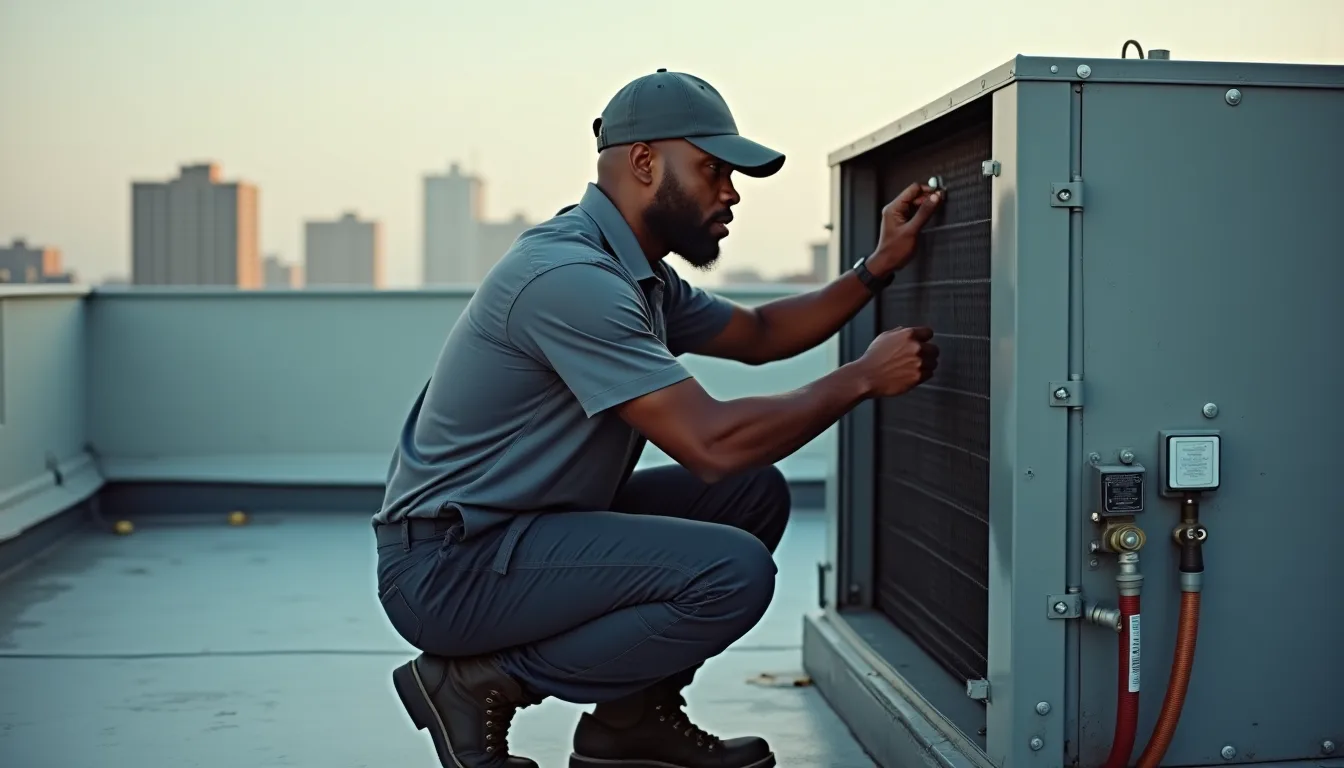
If you’ve ever navigated an Aurora winter, you know how vital reliable HVAC services are to your home’s comfort. With rapid temperature swings—from frigid below-zero nights to unseasonably warm days—it’s no surprise that homeowners seek dependable heating and cooling solutions. In 2026, as HVAC technology continues to evolve, understanding how to evaluate service providers becomes crucial. As you prepare for unpredictable Colorado weather, consider what sets the best HVAC companies apart.
Why This Matters for Aurora Homeowners
Aurora experiences notable temperature fluctuations, especially during transitional seasons. Homeowners often overlook how these rapid changes can strain HVAC systems, leading to costly repairs or replacements. Hail storms and the heavy snowmelt in spring further complicate the need for maintenance and proper drainage. Without professional assessment, HVAC systems become unreliable, potentially causing discomfort at critical times.
Many homes in Aurora are built on expansive clay soils, which require consideration for drainage and HVAC installation. Neglecting these factors can lead to inefficiencies and even structural damage, jeopardizing both comfort and safety over time. As HVAC systems age, their performance diminishes, making it vital to choose a service provider who understands local conditions.
Expert Solutions & Actionable Tips
1. Understanding Energy Efficiency Ratings
Colorado homeowners should prioritize energy efficiency ratings when selecting an HVAC system. Look for units with an SEER rating of 15 or higher for cooling and an AFUE rating of at least 90% for heating. These ratings impact long-term costs—typically, a high-efficiency unit can save you about $200 annually on utility bills.
When considering an upgrade, consult local HVAC experts like ProHVAC Heating and Cooling, who can guide you through high-performance options specifically suited to Aurora’s climate.
2. Seasonal Maintenance Checklists
An annual maintenance checklist for your HVAC system helps prevent unexpected failures. During spring, inspect for duct leaks, check filters, and clean outdoor units. This process might take about 2-3 hours and costs around $150-$250 if performed by professionals.
In the fall, focus on heating components—changing filters, cleaning blower assemblies, and inspecting heat exchanges. Regular checkups can extend the life of your system and save you from emergency repairs.
3. Choosing the Right Size for Your Home
Selecting the right HVAC unit size is crucial for efficiency. An oversized system can lead to uneven temperatures, while an undersized unit struggles to maintain comfort. Use algorithms based on your home’s square footage, ceiling height, insulation quality, and weather patterns. Proper calculations ensure optimal performance, which could save homeowners up to 30% in energy costs.
Consult local experts for a detailed assessment tailored to your home’s unique characteristics.
4. Addressing Indoor Air Quality
Indoor air quality is often overlooked, yet it significantly affects health and comfort. In Aurora, consider HVAC systems that can support air purification options. HEPA filters are ideal for capturing pollutants, while UV light systems inhibit mold growth.
Investing in air quality improvement typically ranges from $300 to $1,200, but the benefits include fewer allergy symptoms and improved overall health, especially during Colorado’s pollen-heavy months.
5. Utilizing Smart Technology
Smart thermostats can optimize your HVAC system’s performance by learning your schedule. These devices allow you to control your home’s temperature remotely, reducing energy costs and enhancing comfort. In Colorado, homeowners have reported savings of approximately 10-15% annually after installing smart technology.
Typically, smart thermostats range from $100 to $300, offering potential long-term returns on investment.
6. Understanding Local Regulations
Before beginning any HVAC work, understanding local building codes and regulations in Aurora is essential. Specific permits may be required for installation or significant modifications to HVAC systems. This ensures compliance with safety standards and local climate considerations.
Consulting with local contractors who are familiar with Aurora’s regulations can save you costly mistakes and delays. Compliance can typically be factored into your total project costs, which average around $1,500 for systems installed under proper permits.
Aurora Climate & Local Context
Aurora’s unique climate brings not just challenges but opportunities for HVAC improvements. Homeowners are challenged by expansive clay soils that influence drainage around foundations and HVAC installations. This geological factor necessitates professional system evaluations to ensure efficiency and prevent structural issues.
The freeze-thaw cycles during spring further complicate matters, as they can cause undue strain on HVAC connections and piping. Ensuring proper installation and maintenance is essential not just for comfort, but to safeguard your investment against the local climatic effects.
When to Call a Professional
Determining when to DIY and when to call in a professional can make all the difference. While simple tasks like changing air filters are manageable, several scenarios warrant a call to an expert.
- Unusual noises from your HVAC system
- Unexplained spikes in energy bills
- Inconsistent temperatures in different rooms
- Frequent cycling on and off
- Water pooling near the system
- Age of the system exceeds 10-15 years
- Persistent foul odors
If any of these issues arise, it’s often best to consult ProHVAC Heating and Cooling to ensure a fast, effective resolution.
Frequently Asked Questions
What should I do if my HVAC system isn't heating properly?
First, check your thermostat settings and air filters. If the issue persists, it’s wise to contact ProHVAC Heating and Cooling for a professional diagnosis in Aurora.
How often should I schedule maintenance for my HVAC system?
It’s recommended to schedule maintenance at least once a year, ideally in spring and fall, to prepare for changing weather conditions in Aurora.
What are the signs that I need to replace my HVAC system?
Look for irregular heating or cooling, increased energy bills, and the age of the unit exceeding 15 years, which is often a sign that replacement should be considered.
Do I need a permit for HVAC installation?
Yes, Aurora typically requires permits for HVAC installation or significant modifications. This ensures compliance with local safety codes.
How can I improve indoor air quality in my Aurora home?
Consider investing in high-efficiency air filters and HVAC systems with air purification capabilities to capture pollutants effectively, especially in Colorado's varied climate.
Get Expert HVAC Service in Aurora
When preparing for the changing seasons in Aurora, ensuring your HVAC system is up to the task is essential. For reliable service, reach out to ProHVAC Heating and Cooling at (720) 712-7286. Our team is here to help keep your home comfortable year-round!
Contact us today for your HVAC needs and enjoy peace of mind knowing your system is in experienced hands in Aurora.
